
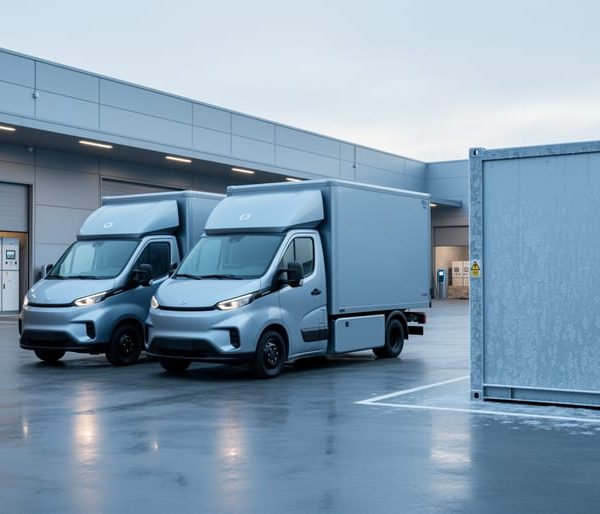
A 3PL partnership in the electromobility sector is a strategic arrangement in which a manufacturer, distributor, or retailer delegates specialized logistics functions, warehousing, transportation, inventory management, and often reverse logistics, to an external provider with deep expertise in electric vehicle supply chains. These collaborations have become essential for scaling EV production and distribution in 2026, as the complexity of battery handling, charging infrastructure deployment, and regulatory compliance far exceeds traditional automotive logistics. Establishing a successful partnership typically requires three to six months of due diligence, contract negotiation, and systems integration, but the operational advantages can be transformative: reduced capital expenditure, access to specialized transport networks, and the ability to scale rapidly across new markets.
The rise of electromobility has redefined logistics requirements. Battery modules demand temperature-controlled transport and specialized handling protocols. Charging stations require coordinated delivery and installation across geographically dispersed sites. Vehicle recalls and battery swaps introduce reverse logistics challenges that few in-house teams are equipped to manage efficiently. Third-party logistics providers bring purpose-built infrastructure, regulatory knowledge, and established carrier relationships that would take years and significant capital to develop internally.
Yet not all 3PL providers are created equal. The electric vehicle supply chain demands partners who understand lithium-ion battery safety regulations, have experience with high-value cargo insurance, and can navigate the evolving patchwork of regional EV incentives and import requirements. Choosing the right partner requires careful assessment of technical capabilities, financial stability, and cultural alignment. As global partnerships continue to reshape the zero-emission mobility landscape, understanding how to structure, negotiate, and manage 3PL relationships has become a core competency for industry professionals across the electromobility value chain.
What Are 3PL Partnerships in Electromobility?
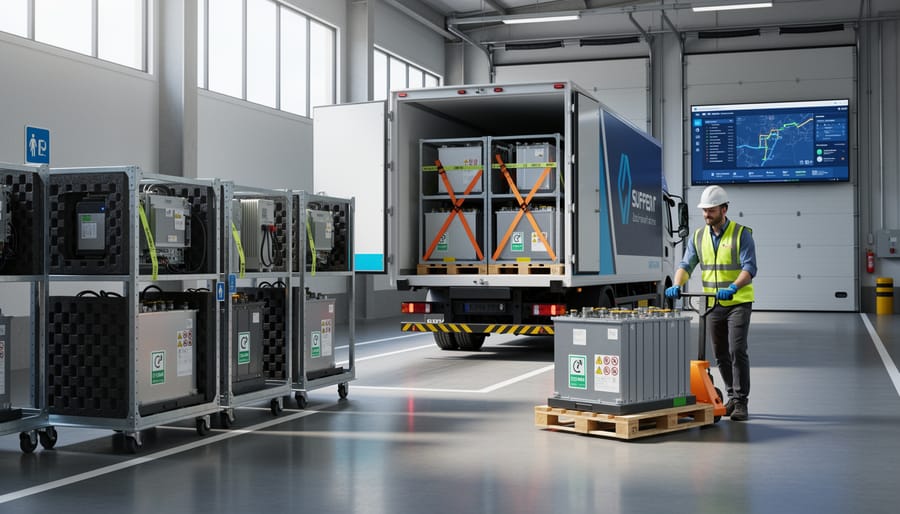
Third-party logistics (3PL) partnerships in electromobility are collaborative arrangements where specialized logistics providers manage critical supply chain functions for electric vehicle manufacturers, charging network operators, battery producers, and other stakeholders in the zero-emission transport ecosystem. Unlike traditional automotive logistics, these partnerships require providers with deep technical expertise in handling high-voltage components, temperature-sensitive materials, and hazardous goods classifications specific to lithium-ion batteries and electric powertrains. The 3PL model allows electromobility companies to focus on core innovation while delegating complex logistics operations to partners with specialized infrastructure, regulatory knowledge, and operational capabilities.
These partnerships play several distinct roles within the electric vehicle supply chain. Battery transport represents the most technically demanding function, requiring 3PL providers to maintain UN38.3 certified handling procedures, climate-controlled warehousing, and specialized vehicles equipped with fire suppression systems. A single battery pack for a long-range electric vehicle can weigh 600 kilograms and store enough energy to power a home for days, making proper handling protocols essential for safety and regulatory compliance. Beyond battery logistics, 3PL partners coordinate the deployment of charging infrastructure components, managing the intricate timing required to deliver charging stations, power electronics, and installation materials to construction sites across diverse geographic locations.
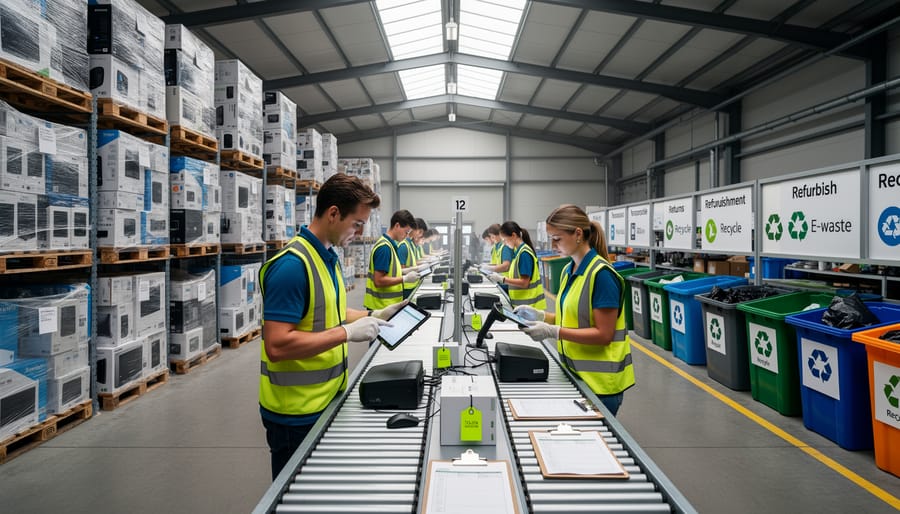
Reverse logistics presents another specialized domain where 3PL expertise proves invaluable. As electric vehicles reach end-of-life or batteries require replacement, 3PL partners manage the collection, assessment, and routing of components to recycling facilities, secondary-use applications, or refurbishment centers. This circular approach aligns with broader sustainability goals and reflects the growing importance of international cooperation in establishing standardized processes for battery lifecycle management across borders. The specialized handling requirements extend to real-time tracking systems that monitor temperature, shock events, and state-of-charge throughout transit, data integration platforms that connect with manufacturers’ quality control systems, and trained personnel certified in emergency response procedures specific to lithium-ion incidents. These technical capabilities distinguish electromobility 3PL partnerships from conventional automotive logistics relationships.
Who Qualifies for 3PL Partnerships in the Electromobility Sector
Requirements for 3PL Service Providers
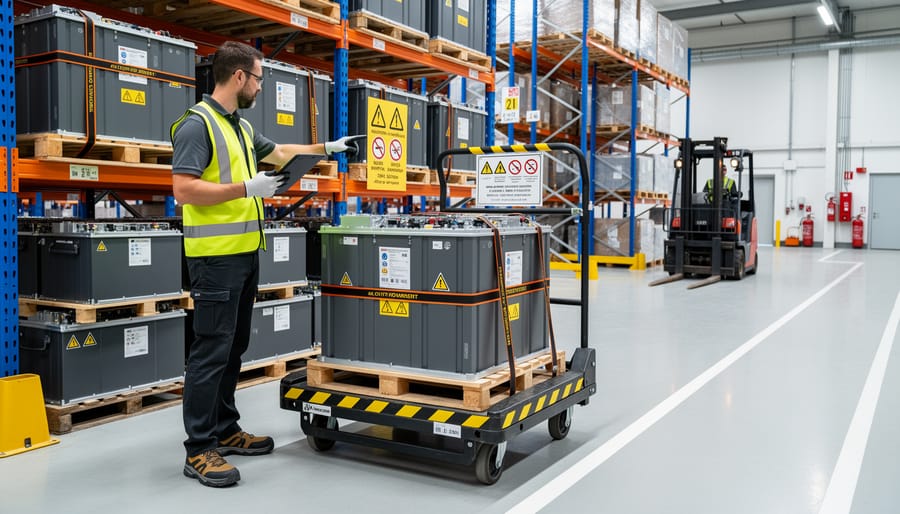
Third-party logistics providers entering the electromobility sector must meet stringent technical and regulatory standards that go well beyond traditional freight handling. At minimum, 3PLs need hazardous materials certification for lithium-ion battery transport, following PHMSA guidance for lithium transport and relevant UN 38.3 testing protocols. This certification covers proper packaging, labelling, documentation, and emergency response procedures for battery shipments across all transport modes.
Temperature-controlled facilities represent another non-negotiable requirement. Electric vehicle batteries and drive components require storage environments between 15-25°C with humidity controls to prevent degradation. Your warehouse infrastructure must support real-time monitoring systems that track environmental conditions and alert staff to deviations.
Fleet capability matters significantly. Providers need specialized vehicles equipped with fire suppression systems, vibration dampening for battery modules, and tie-down configurations that prevent short-circuit risks during transport. Many manufacturers now require dedicated EV-only delivery routes to minimize cross-contamination with petroleum products.
On the operational side, 3PLs must implement track-and-trace platforms offering real-time visibility into shipment status, location, and condition. Integration capability with OEM systems is essential, your IT infrastructure should connect seamlessly with vehicle manufacturers’ production and distribution networks through EDI or API protocols.
Insurance coverage deserves careful attention. Standard cargo policies won’t suffice; electromobility 3PLs need specialized environmental liability coverage and higher cargo value limits reflecting battery unit costs that frequently exceed €30,000 per module. Reverse logistics capability for end-of-life battery returns completes the essential requirement set.
Requirements for Partner Organizations
Partner organizations entering 3PL relationships must bring clear specifications and operational readiness to the table. Manufacturers shipping batteries or complete vehicles need documented handling protocols, including weight distributions, temperature ranges, and emergency response procedures for lithium-ion incidents. You should provide CAD files for custom packaging requirements and maintain insurance coverage that meets transport thresholds, typically £5-10 million for hazardous goods movements.
Charging network operators require precise site access documentation: delivery window constraints, weight restrictions for installation equipment, and coordination protocols with utility providers. Your procurement team must establish approval workflows that can process delivery confirmations within agreed timeframes, usually 24-48 hours for standard operations.
All partners need robust data infrastructure. ERP systems should support EDI or API integration for real-time shipment tracking, inventory visibility, and automated billing reconciliation. Forecast accuracy matters, 3PL providers build capacity around your volume projections, so commitment levels should reflect genuine demand patterns rather than aspirational targets.
Financial stability counts. Expect credit checks and payment term negotiations, with most 3PLs requiring 30-day terms for new partnerships. Research institutions and smaller operators may need parent guarantees or deposits to secure service agreements.
Finally, designate a single point of contact with decision-making authority. Partnerships falter when 3PLs navigate multiple stakeholders for routine operational questions, delaying the responsiveness that makes outsourced logistics worthwhile.
How to Establish and Implement a 3PL Partnership
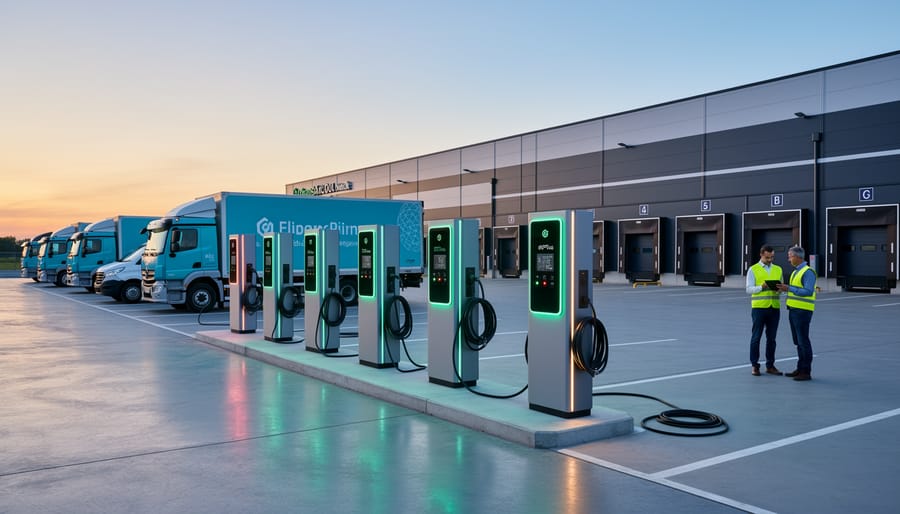
Pre-Partnership Assessment
Before approaching any 3PL provider, conduct a systematic evaluation of your electromobility logistics landscape. Start by mapping your current supply chain flows: battery shipments from cell manufacturers, component distribution to assembly facilities, finished vehicle transport to dealers, and reverse logistics for warranty returns or end-of-life batteries. Document volumes, frequencies, and seasonal patterns.
Assess your internal capabilities honestly. Can your team handle hazardous materials classification for lithium-ion batteries? Do you have temperature-controlled storage for sensitive components? Calculate the true cost of your existing logistics operations, including hidden expenses like insurance premiums, compliance penalties, and tied-up capital in transport assets.
Identify your pain points. Common challenges include limited geographic reach for charging infrastructure deployment, insufficient expertise in battery safety protocols, or inability to scale quickly as production ramps up. Define what success looks like: faster delivery times, reduced damage rates, better shipment visibility, or compliance confidence.
Finally, establish your non-negotiables. Some manufacturers require real-time tracking systems; others mandate specific safety certifications. Clarify your budget constraints, timeline expectations, and how much operational control you’re willing to delegate. This groundwork shapes productive provider conversations and prevents mismatched partnerships.
Provider Selection and Due Diligence
Selecting a 3PL partner for electromobility demands rigorous evaluation beyond standard logistics criteria. Start by verifying electromobility-specific certifications: ISO 28000 for supply chain security, UN 38.3 for lithium battery transport, and ADR/IMDG compliance for hazardous materials handling. Request documented evidence of successful battery shipments, including incident rates and insurance claims history over the past three years.
Conduct site visits to assess physical infrastructure. Examine climate-controlled storage facilities, fire suppression systems rated for lithium fires, and handling equipment designed for high-voltage components. Interview warehouse staff to gauge their understanding of battery safety protocols and emergency response procedures.
Review the provider’s technology stack carefully. Their warehouse management system should integrate seamlessly with your existing platforms and offer real-time battery state-of-health monitoring, not just location tracking. Ask for references from current electromobility clients and verify geographic coverage matches your distribution requirements.
Financial stability matters: request audited statements and credit ratings. A partner facing bankruptcy mid-contract creates supply chain chaos. Finally, negotiate a pilot project handling a limited shipment volume before committing to a long-term agreement.
Contract Negotiation and Integration
Effective 3PL contracts in electromobility must address unique operational complexities beyond standard logistics agreements. Core contractual elements include detailed service level agreements (SLAs) specifying response times for battery deliveries, temperature-controlled transport requirements, and protocols for handling hazardous materials classifications. Performance metrics should quantify on-time delivery rates (typically 98%+), damage incident frequencies (target: <0.1% for battery shipments), real-time tracking accuracy, and compliance with UN38.3 transport regulations for lithium-ion batteries. Include liability clauses that clearly delineate responsibility for battery degradation during transit, cybersecurity protocols for telematics data, and indemnification for regulatory violations.
Technical integration requires connecting the 3PL’s transport management system (TMS) with your enterprise resource planning (ERP) and warehouse management platforms through APIs or EDI standards. Establish data-sharing agreements covering shipment visibility, inventory levels at distribution centers, and predictive maintenance alerts for transport equipment. Address EV infrastructure challenges by specifying charging access requirements for electric logistics fleets and defining protocols for coordinating deliveries with charging station installations. Build in quarterly business reviews, escalation procedures for service failures, and flexibility clauses allowing scope adjustments as battery technology or regulatory frameworks evolve. Include pilot phase milestones with clear go/no-go decision criteria before full-scale deployment.
Rights, Obligations, and Governance in 3PL Partnerships

Successful 3PL partnerships in electromobility depend on clearly defined roles and robust governance frameworks that account for the unique risks of moving batteries, high-voltage components, and precision electronics. A well-structured agreement spells out who bears liability when lithium-ion cells are damaged in transit, which party ensures compliance with ADR transport regulations, and how performance is measured against delivery timelines and safety targets. Without this clarity, partnerships risk costly disputes, regulatory penalties, and reputational damage that can ripple through your entire supply chain.
Liability allocation sits at the heart of these agreements. For battery damage, contracts typically assign primary responsibility to the 3PL provider during physical custody, while the partner organization retains liability for packaging integrity and accurate hazard classification. Transport of Class 9 dangerous goods demands strict adherence to UN 3480 and UN 3481 requirements; both parties share compliance obligations, but the 3PL usually carries direct liability for vehicle certification, driver training, and route planning that meets local restrictions on tunnel access or urban entry. Data sharing protocols must define what telematics, temperature logs, shock sensor readings, and shipment tracking data flow between partners, who owns it, and how long it’s retained to support warranty claims or incident investigations.
| Partner Obligation | 3PL Provider Obligation | Shared Responsibility |
|---|---|---|
| Accurate cargo classification and hazard labeling | Vehicle certification, driver ADR training, compliant routing | Regulatory compliance with transport directives |
| Packaging design that meets UN performance standards | Physical custody, handling procedures, equipment maintenance | Cargo insurance covering full replacement value |
| Timely shipment data, order accuracy, consignee details | Real-time tracking, temperature/shock monitoring, secure data transmission | Data management and retention policies |
| Immediate notification of product defects or recalls | Incident reporting within agreed timeframe, evidence preservation | Incident investigation and root cause analysis |
| Setting performance KPIs and delivery requirements | Meeting on-time delivery, damage rate, and response time targets | Performance monitoring, quarterly business reviews |
| Defining carbon footprint reduction goals | Fleet electrification roadmap, route optimization | Sustainability reporting and progress tracking |
Performance monitoring mechanisms should include monthly scorecards tracking damage rates, delivery punctuality, temperature excursions, and customer satisfaction scores, with penalty clauses that reduce fees if agreed service levels fall short. Dispute resolution typically follows a three-tier structure: operational teams resolve issues at first instance, senior management escalates unresolved conflicts to mediation within 30 days, and binding arbitration under ICC rules provides final recourse without court litigation. Exit clauses must address wind-down periods (usually 90 to 180 days) to allow orderly transition to a new provider, return of proprietary data and packaging assets, and non-solicitation agreements preventing the 3PL from hiring your logistics staff or approaching your customers directly. Regular governance meetings, quarterly at minimum, keep both parties aligned on evolving electromobility regulations, new battery chemistries that change handling protocols, and shifts in market demand that require capacity adjustments.
Where to Get Support and Resources
Organizations seeking support for 3PL partnerships in electromobility can tap into a robust ecosystem of research bodies, industry associations, and collaborative platforms that offer practical guidance and networking opportunities. Bioenergy Task 39, through its global network of researchers and industry partners, provides a collaboration platform where electromobility stakeholders share operational insights and collective impact strategies for logistics partnerships. The organization regularly publishes case studies and technical reports that document successful 3PL arrangements in the EV sector, offering templates and frameworks that organizations can adapt to their specific contexts.
Key resources for partnership development include:
- Bioenergy Task 39’s collaboration platform connecting electromobility logistics partners worldwide
- International Association of Public Transport (UITP) for fleet electrification and charging infrastructure logistics expertise
- European Automobile Manufacturers’ Association (ACEA) logistics working groups focused on battery transport standards
- National EV associations offering regional regulatory guidance and local partner directories
- Industry conferences such as the Electric & Hybrid Marine World Expo and EVS symposia for face-to-face networking
- Online knowledge hubs including the International Energy Agency’s EVI platform and CharIN for technical specifications
Beyond these established resources, manufacturers and logistics providers can access industry voices through working groups at organizations like the Advanced Clean Transportation Expo and the Zero Emission Vehicle Alliance, which facilitate peer learning and partnership matchmaking. Regional electromobility clusters in California, the Nordic countries, and China’s EV zones host regular forums where prospective partners exchange due diligence checklists, contract language, and performance benchmarks. For compliance questions, organizations should consult their national transportation authorities and battery safety regulators, who often maintain lists of certified 3PL providers with electromobility credentials. Legal firms specializing in clean energy partnerships can provide contract review services tailored to the unique liability and regulatory considerations of electric vehicle logistics.
How to Apply or Complete the Process
Unlike government grants or standardized programs, 3PL partnerships in electromobility don’t follow a single “application” pathway. There’s no central registry or universal form. Instead, the process unfolds through direct business negotiation between your organization and selected providers.
Start by issuing a request for proposal (RFP) to shortlisted 3PL candidates. Include your specific electromobility logistics requirements: battery handling protocols, charging infrastructure distribution needs, regulatory compliance expectations, volume projections, and geographic scope. Allow 3-4 weeks for detailed responses.
Review proposals against your pre-defined evaluation criteria. Schedule site visits to assess facilities, meet operational teams, and verify certifications like UN3480 for lithium battery transport or ISO 9001 quality standards.
Conduct commercial negotiations focusing on service level agreements, pricing structures, liability provisions, and key performance indicators. Draft contracts should pass through legal review before signing.
Once finalized, complete technical integration: connect systems for shipment tracking, inventory visibility, and data exchange. Run pilot operations with limited volume before full deployment.
Throughout this process, document each decision point, maintain compliance records, and establish clear governance structures. The “completion” occurs when operations go live under the agreed framework, not through any external approval.
Where to Get Official Help
Organizations seeking official support for 3PL partnerships in electromobility should start with their national transport or logistics regulatory authorities, which oversee compliance requirements for battery transport and hazardous materials handling. In the European Union, the European Alternative Fuels Observatory provides guidance on logistics infrastructure for electric vehicles, while the International Energy Agency’s Clean Energy Ministerial offers resources on sustainable transport supply chains.
Industry-specific support comes from the International Association of Public Transport and national electric vehicle associations, which maintain directories of certified 3PL providers and partnership frameworks. Battery-specific logistics queries can be directed to organizations like the Global Battery Alliance, which coordinates supply chain standards.
For research and best practices, Bioenergy Task 39 connects stakeholders across the electromobility ecosystem, offering case studies and collaboration frameworks. Regional clean energy centers often provide localized support matching organizations with qualified logistics partners.
Legal and contractual guidance requires consultation with specialized transport lawyers familiar with electromobility regulations. Many logistics associations offer template agreements and mediation services for partnership disputes.
Start by contacting your industry association, they’ll direct you to the most relevant regulatory body and technical resources for your specific partnership needs.
What to Watch For
Beyond contract structure, watch for provider capacity constraints during peak production cycles. Even established 3PLs can struggle when electromobility demand surges unexpectedly. Ask prospective partners how they scaled operations during recent EV adoption spikes in their service regions, and request contingency plans for handling 30-50% volume increases on short notice. Providers who cannot articulate specific scalability mechanisms, backup carriers, flex warehousing, surge staffing protocols, will bottleneck your supply chain when market conditions shift rapidly.
Pay close attention to technology integration timelines. Real-time tracking, temperature monitoring, and inventory visibility systems rarely connect seamlessly between your platforms and the 3PL’s infrastructure. Budget three to six months for integration testing, not the optimistic four-week timeline some providers quote. Insist on seeing live data feeds from at least two existing electromobility clients before committing, and verify that their systems can handle the frequent software updates common in this evolving sector. A 3PL partner stuck on legacy platforms will hamper your ability to adapt as battery chemistries, packaging standards, and regulatory reporting requirements continue evolving through 2026 and beyond.
Common Questions About 3PL Partnerships in Electromobility
When organizations consider 3PL partnerships for electromobility logistics, specific questions arise about costs, timelines, and operational realities that differ significantly from traditional automotive supply chains. Understanding these practical considerations helps stakeholders set realistic expectations and structure agreements that accommodate the unique demands of zero-emission mobility infrastructure.
How long does a typical 3PL partnership in electromobility last?
Most partnerships run three to five years initially, with renewal options. This duration allows 3PL providers to recoup specialized equipment investments while giving partners flexibility to adapt as battery technology and transport regulations evolve.
How do 3PL costs compare to managing electromobility logistics in-house?
Outsourcing typically reduces capital expenditure by 30-40% compared to building dedicated capabilities, though operational costs depend on volume and service complexity. Organizations save on specialized training, compliance management, and equipment for hazardous material handling specific to lithium-ion batteries.
What happens if a battery safety incident occurs during transport?
Liability follows the contractual terms, but reputable 3PL providers carry specialized insurance and maintain response protocols for thermal events. Agreements should specify incident notification timelines, containment procedures, and which party manages regulatory reporting for battery-related incidents.
How do partnerships adapt when new battery chemistries enter production?
Contracts should include technology adaptation clauses requiring regular training updates and equipment modifications. Forward-thinking partnerships establish joint review processes every 12-18 months to assess emerging chemistries like solid-state batteries and adjust handling protocols accordingly.
Can 3PL partners handle cross-border transport of EV components?
Experienced electromobility 3PLs maintain customs expertise and dangerous goods certifications for multiple jurisdictions. Verify that providers hold ADR certification for Europe, DOT approval for North America, and understand lithium battery air transport restrictions under IATA regulations.
What metrics indicate a successful 3PL partnership in this sector?
Key performance indicators include on-time delivery rates above 98%, zero safety incidents per million kilometers transported, inventory accuracy exceeding 99.5%, and demonstrated cost per unit improvements of 5-10% annually as volumes scale.
Risk mitigation deserves particular attention given the specialized nature of electromobility logistics. Strong partnerships build redundancy into critical routes, maintain backup storage facilities for temperature-sensitive components, and develop contingency plans for regulatory changes. The most resilient collaborations establish joint risk assessment protocols that identify vulnerabilities across the supply chain, from battery manufacturing sites to final charging infrastructure installations.
Scalability becomes increasingly important as electric vehicle adoption accelerates and charging networks expand geographically. Partnerships structured for growth include tiered pricing that rewards volume increases, expansion clauses for new service territories, and infrastructure investment commitments from 3PL providers. Organizations should assess whether potential partners demonstrate capacity to scale operations by 20-30% annually without service degradation, a realistic growth trajectory for electromobility logistics through the end of this decade.
Strategic 3PL partnerships have emerged as critical enablers of the electromobility transition, bridging operational gaps that individual organizations cannot effectively address alone. The specialized handling requirements for battery transport, the geographic complexity of charging infrastructure deployment, and the regulatory landscape surrounding electric vehicle logistics demand expertise and resources that third-party providers bring to the table.
Organizations that invest time in thorough partner selection, clear contractual frameworks, and robust integration planning position themselves to scale faster while managing risk more effectively. The electromobility sector’s rapid evolution means that adaptable logistics partnerships create competitive advantage beyond simple cost reduction.
The resources outlined in this guide, from industry associations to research networks and official support channels, offer practical pathways for organizations at any stage of partnership development. Whether you’re evaluating your first 3PL collaboration or optimizing existing relationships, these tools can accelerate your decision-making and implementation.
Collaboration remains the cornerstone of zero-emission mobility progress. As battery technology advances, charging networks expand, and vehicle volumes grow, the logistics partnerships established today will shape how efficiently the industry scales tomorrow. The expertise exists, the frameworks are proven, and the support infrastructure continues to mature, making this an opportune moment to strengthen your organization’s logistics capabilities through strategic 3PL partnerships.